9 hr
Great Barrier Reef Premium Catamaran Day Trip
- Expert local guide
- Small group
- Skip-the-line access
- Free cancellation
Snorkeling Cairns Outer Reef — Premium Day Trips
Where the continental shelf drops into coral walls, sixty kilometres offshore
Compare fares, pick the fit — all bookings are mobile-voucher and eligible for free cancellation where shown.
9 hr
8 hr 30 min
4 hr
Selecting the right snorkeling cairns outer reef excursion depends on your preference for vessel stability and time spent exploring the marine park. These snorkeling cairns outer reef tours offer varying access levels to the coral ecosystem, ranging from high-speed day trips to spacious, multi-level cruise platforms.
| Fast Catamaran High-speed transit |
Top pick Superyacht Luxury platform |
Adventure Boat Active focus | |
|---|---|---|---|
| Duration | 7–8 hours | 8–9 hours | 7 hours |
| Vessel type | High-speed catamaran | Large stable pontoon | Smaller agile vessel |
| Number of reef sites visited | 2 sites | 1 fixed location | 3 sites |
| Snorkel vs dive option | Yes | Yes | Yes |
| Special inclusions | Guided snorkel tour | Underwater observatory | Small group focus |
| Best suited for | Time-efficient visitors | First-timers and families | Active snorkelers |
| See tickets & prices |
Verdict: For the most balanced experience of the Great Barrier Reef, first-time visitors should choose snorkeling cairns outer reef tickets that provide a stable platform for both relaxation and water access.
Worth it for pristine coral access
Snorkeling cairns outer reef delivers significantly better marine life density and water clarity than inner-reef alternatives, justifying the higher tour costs. Reef Tax applies per person regardless of operator, while full-day catamaran and superyacht options typically range from mid to premium pricing depending on vessel size and inclusions. Half-day adventures offer budget access but limit your bottom time at the actual outer reef sites. The investment pays off through encounters with sea turtles, reef sharks, and untouched coral gardens that inner zones cannot match. Water visibility regularly exceeds 20 meters at outer sites, compared to 10-15 meters closer to shore. For snorkelers prioritizing marine biodiversity over convenience, the outer Great Barrier Reef justifies the cost difference—you're paying for ecological quality, not proximity. Casual swimmers content with modest coral may find inner reef sites adequate at lower rates.
Bottom line: The outer reef's untouched coral and superior marine life justify the premium for serious snorkelers.
They complement each other; most visitors who do both call the outer reef more thrilling for marine life, while inner reef pontoon trips offer unmatched stability. Choosing between snorkeling cairns outer reef and the island-based alternatives requires balancing your desire for pristine coral with your preference for travel time and facility access.
|
Top pick Outer Reef |
Inner Reef Pontoon | |
|---|---|---|
| Distance/travel time from Cairns | 60–90 minutes | 45 minutes |
| Water clarity and coral condition | Excellent visibility and coral | Moderate visibility and sandier base |
| Wave exposure and comfort | Open ocean, higher motion | Protected, minimal wave movement |
| Facilities available | Boat-based decks and platforms | Permanent pontoons with underwater observatories |
| Typical trip duration | 7–9 hours | 5–7 hours |
| Who each suits best | Divers and snorkelers seeking biodiversity | Families with children and nervous swimmers |
| See tickets & prices |
Verdict: Securing snorkeling cairns outer reef tickets is ideal for enthusiasts seeking vibrant biodiversity, whereas pontoon experiences provide a gentler, more accessible day out for families who prioritize comfort over maximum coral exposure when considering various snorkeling cairns outer reef tours.
Hand-picked experiences loved by thousands of travelers
8 hours 30 minutes
Free Cancellation
Spend six hours exploring two pristine reef locations aboard a luxury catamaran with expert guides
8 hours
Free Cancellation
Full-day outer reef expedition with guided snorkelling, buffet lunch, and visits to two pristine sites
8 hours
Free Cancellation
Dive and snorkel at three pristine outer reef locations aboard a luxury catamaran with buffet lunch included
5 hours
Free Cancellation
Intimate snorkel-only expedition to pristine outer reef sites with marine biologist guides and pre-trip education session
9 hours
Free Cancellation
Explore two pristine reef sites with Indigenous guides sharing ancestral stories and marine wonders
8 hours
Free Cancellation
Five unrushed hours exploring pristine coral gardens from a stable platform with multiple viewing options
8 hours 30 minutes
Free Cancellation
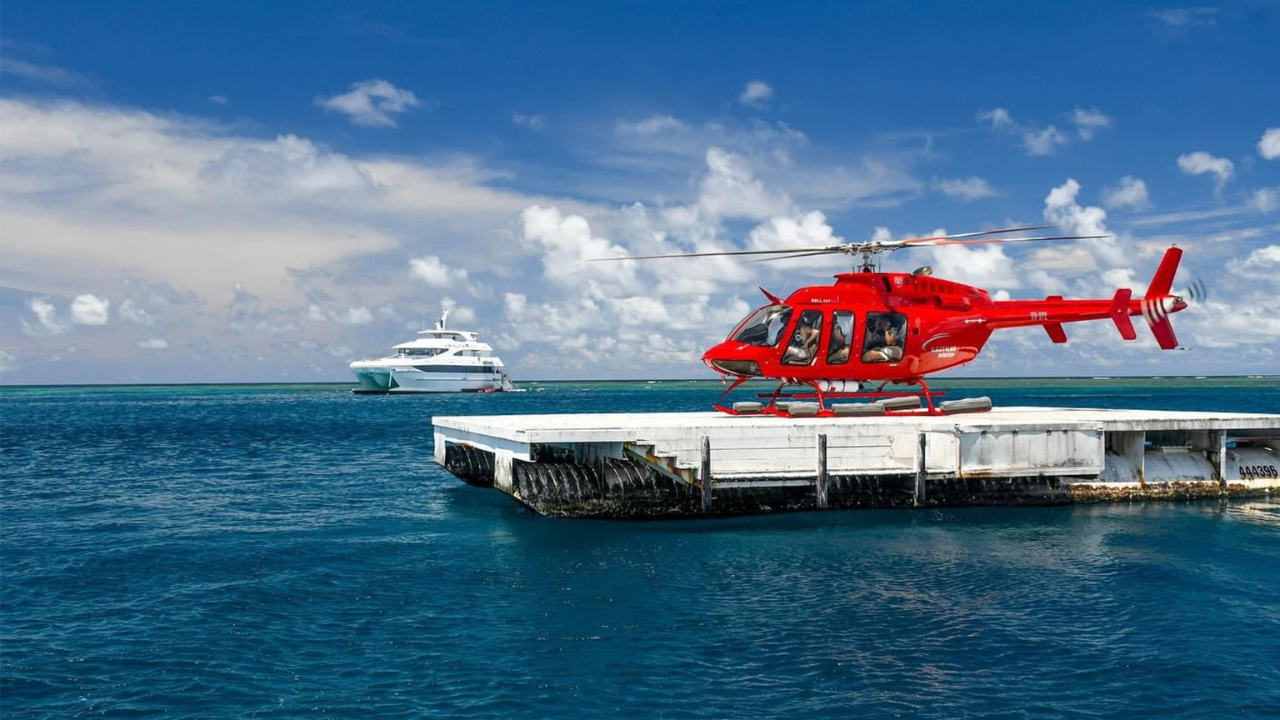
Full-day outer reef adventure aboard a luxury vessel with snorkeling, diving options, and aerial tour
9 hours
Free Cancellation
Explore two pristine outer reef locations with complimentary scuba diving, endless snorkeling, and meals
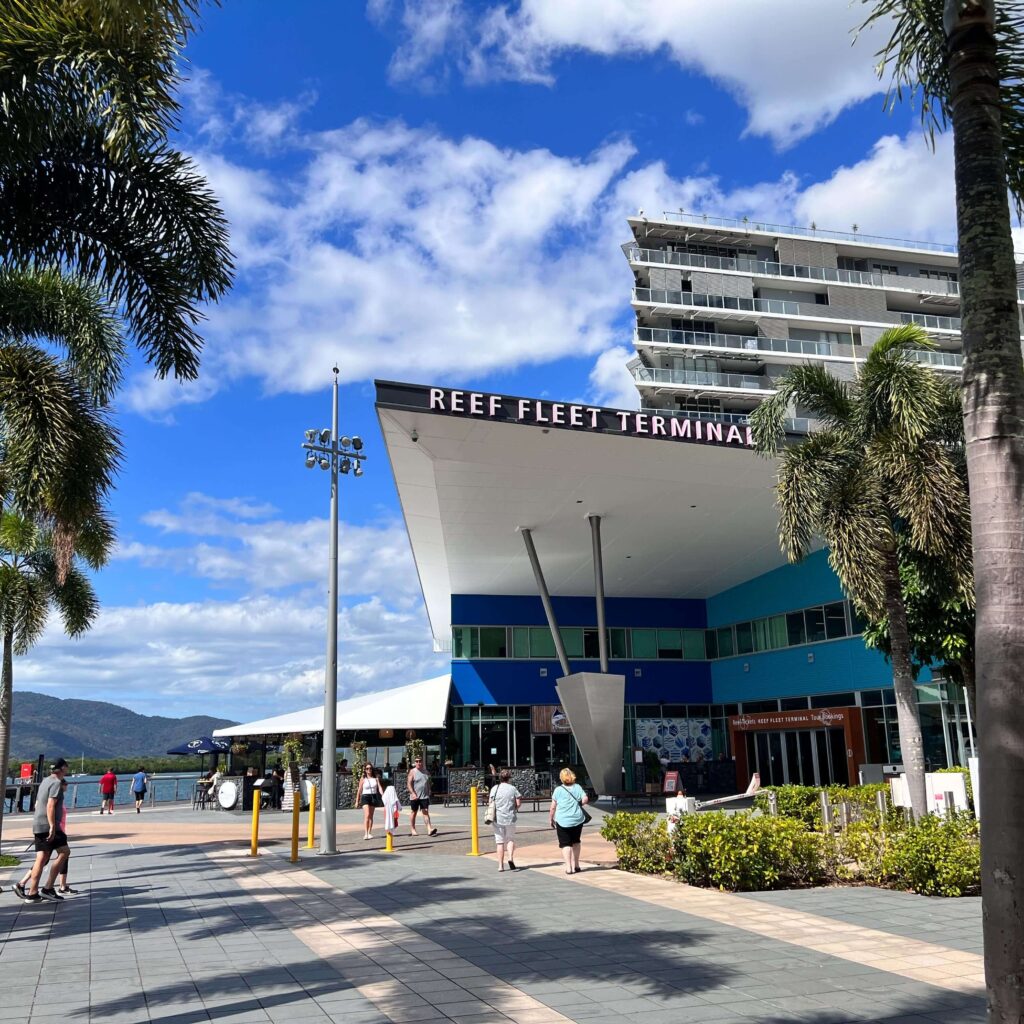
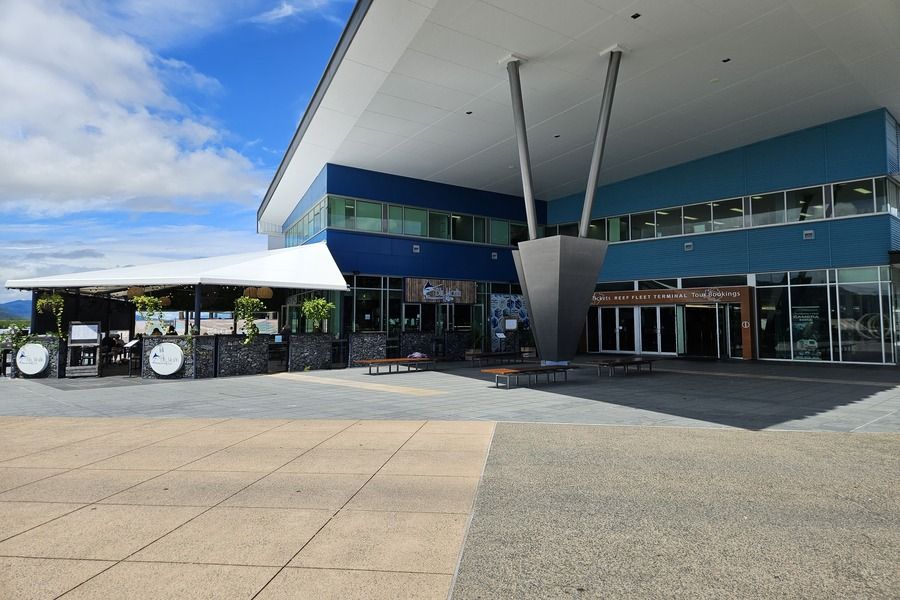
Arrive at Cairns Reef Fleet Terminal for boarding
Cruise to the outer reef locations
Explore the first reef site
Buffet meal served on the vessel
Visit a second distinct reef location
Known for its diverse coral gardens and high marine biodiversity, this site is a prime location for spotting reef sharks. It features depth ranges suitable for both beginners and experienced snorkelers.
Flynn Reef Cairns
This location is celebrated for its swim-throughs and massive boulder corals. It offers calm water conditions that make snorkeling cairns outer reef experiences enjoyable for all skill levels.
Milln Reef Cairns
Home to large schools of fish and intricate coral formations, this site provides a vibrant look at the ecosystem. It is a frequent stop for many snorkeling cairns outer reef tours due to its clear water.
Thetford Reef Cairns
You board at Reef Fleet Terminal before 8:00 AM, when catamarans queue along the floating pontoons. The twin-hull vessel clears the shipping channel within fifteen minutes, then accelerates to 25 knots as the coastal hills flatten into haze behind you.
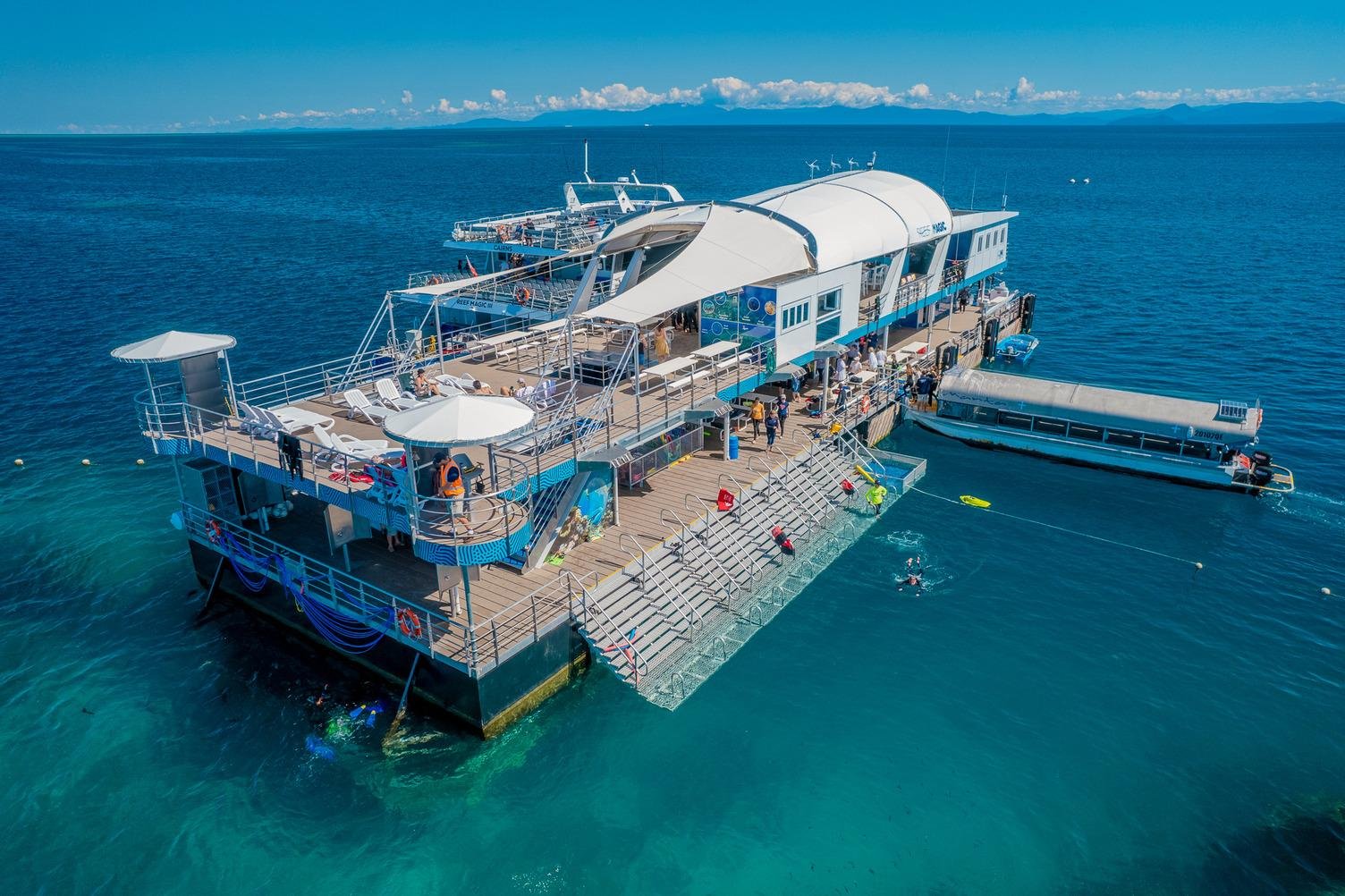
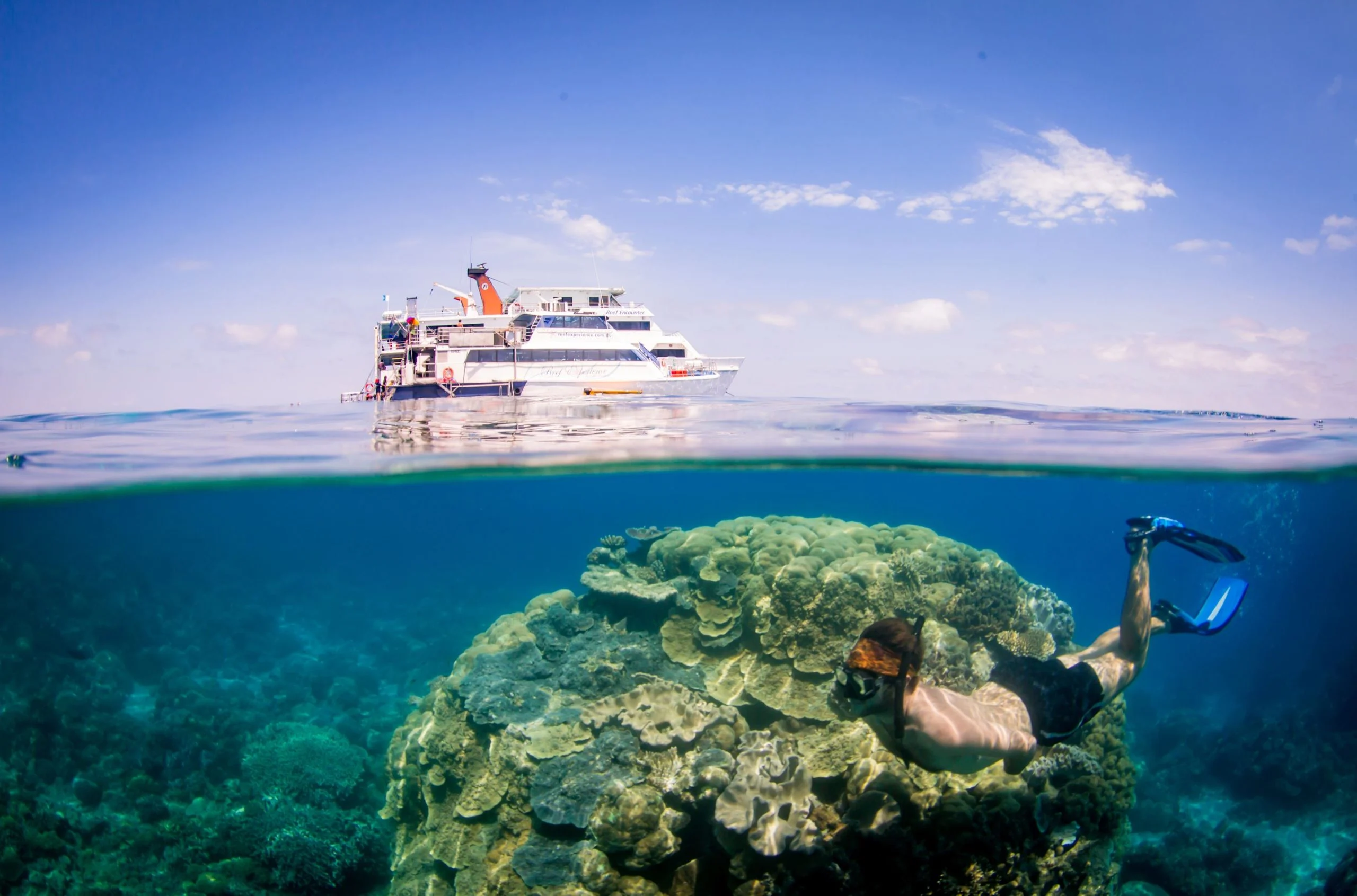
Sixty minutes out, the water shifts from murky green to cobalt blue—the exact line where the continental shelf ends. Your first snorkel site is a moored pontoon at Agincourt Reef, where you descend a ladder into 28°C water.
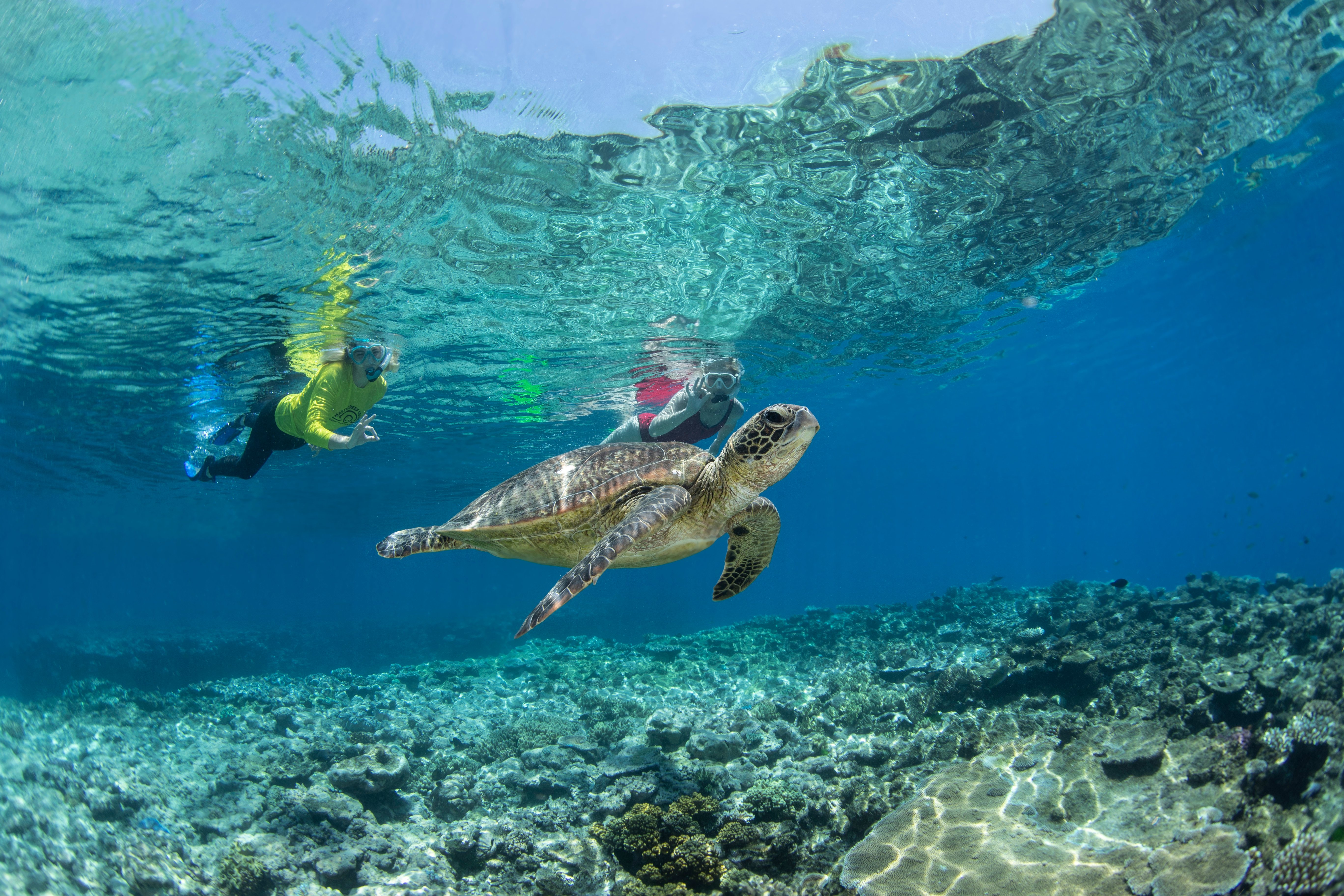
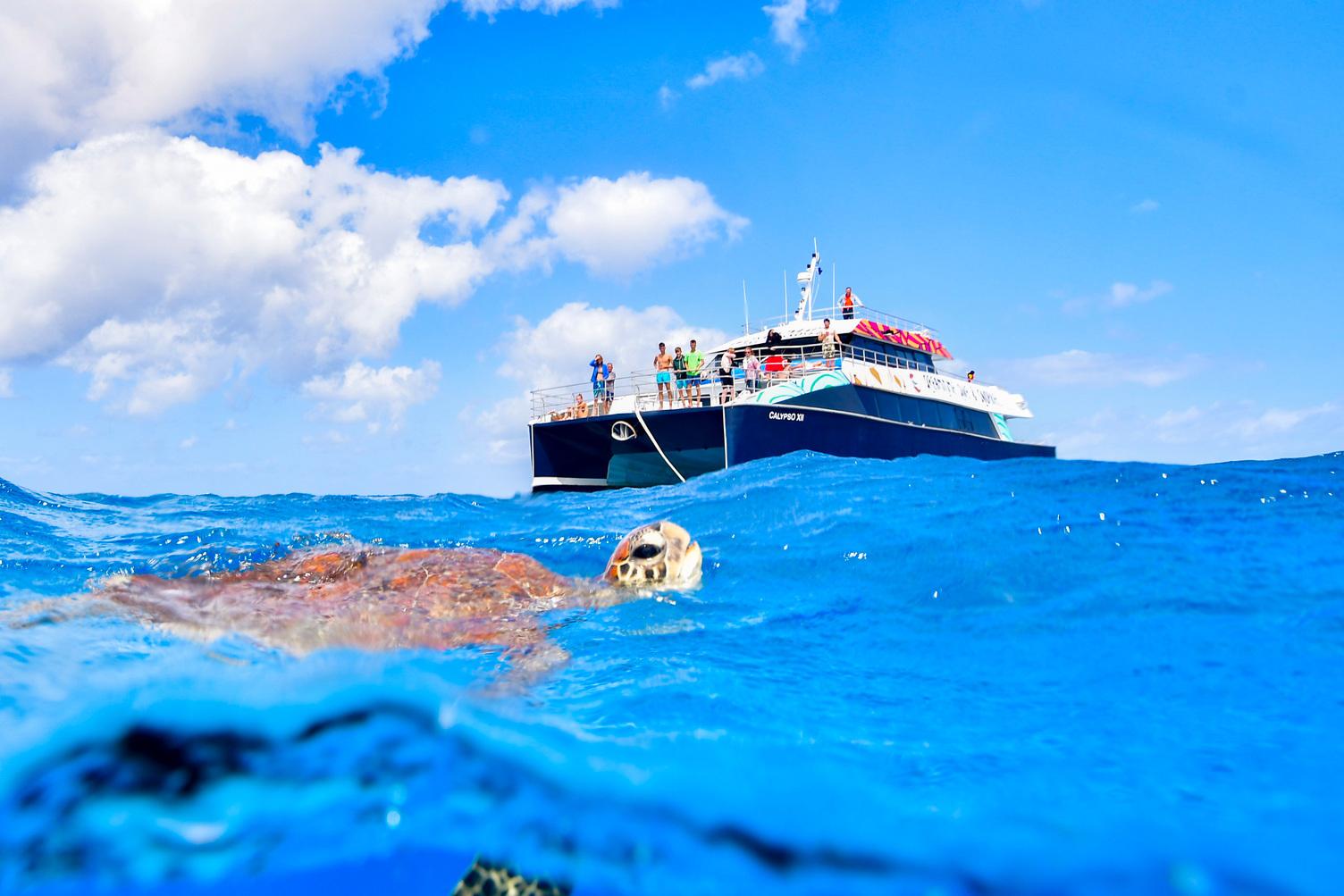
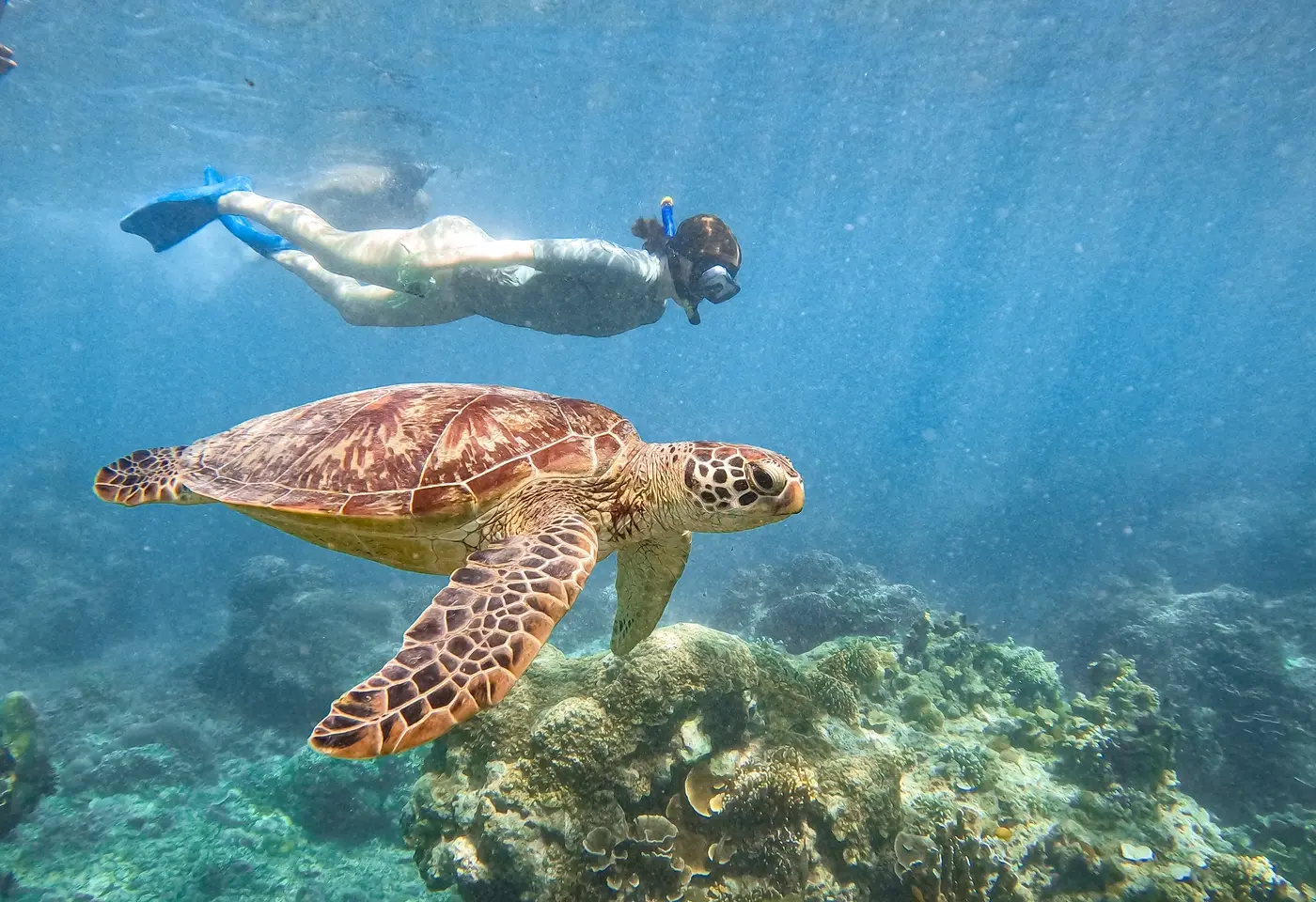
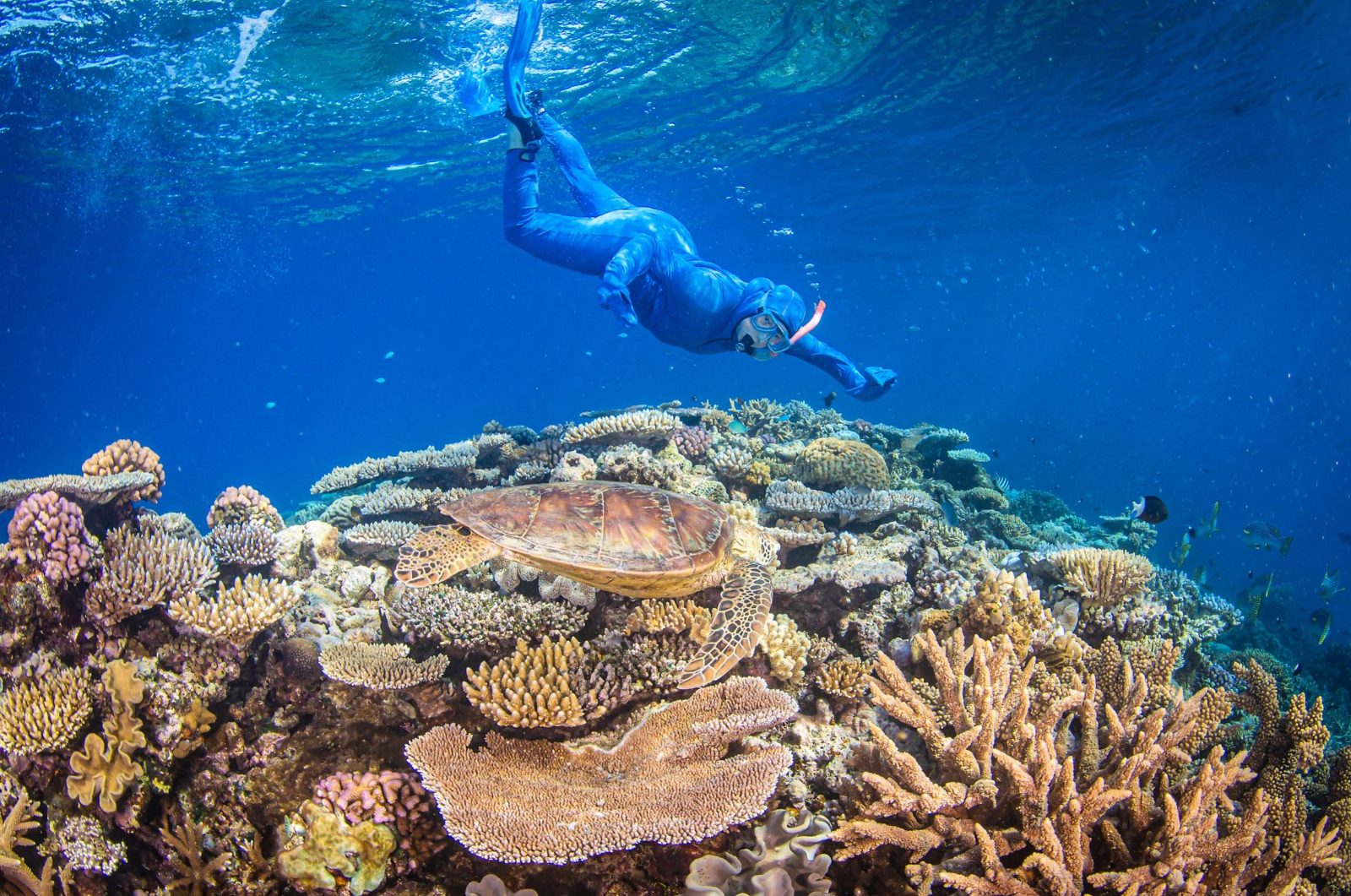
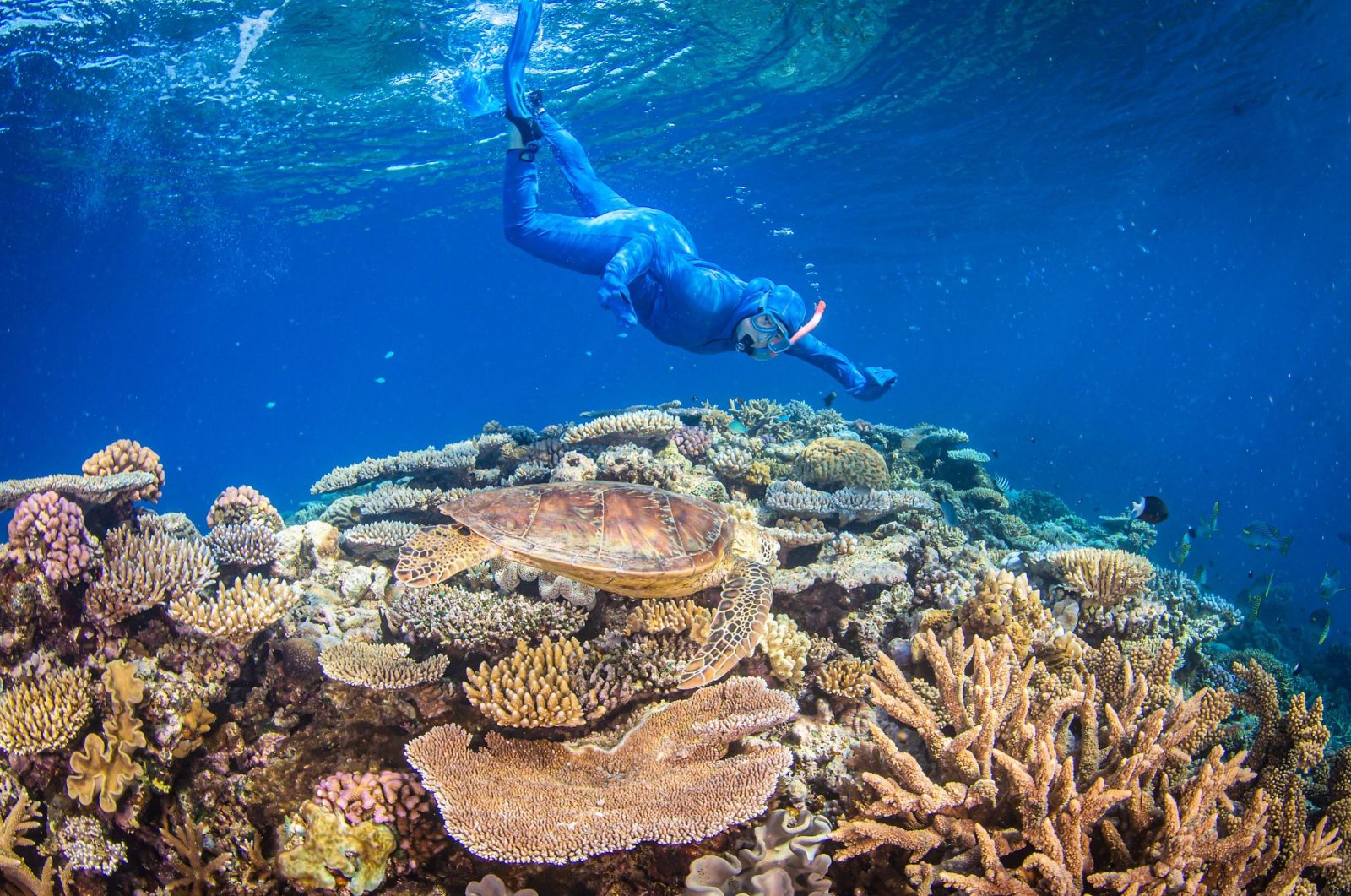
The reef wall drops three metres below the pontoon, then slopes into a canyon system you can follow for 200 metres. You drift over staghorn thickets, pause at a cleaning station where a hawksbill turtle hovers motionless, then kick toward a bommie crowned with soft corals. A school of fusiliers parts around you. Within 40 minutes you circle back to the ladder, peel off your fins, and move to the shaded deck for the interval between dives.
The second site is a sand-fringed coral garden 500 metres east, reached by a tender boat that shuttles groups of eight. Here the depth holds at four metres, shallow enough that you watch a blacktip reef shark glide beneath you without descending. You surface, check your watch—it is nearly 2:00 PM—and return to the catamaran for the ride back to Cairns, which takes 75 minutes with the afternoon chop.
All the details about your upcoming adventure in one place
The outer Great Barrier Reef begins where the continental shelf fractures into a 2,000-metre abyss, approximately 60 kilometres northeast of Cairns.
Here, ribbon reefs like Agincourt and Saxon rise vertically from the Coral Sea floor, their windward faces exposed to oceanic currents that deliver nutrients and pelagic visitors year-round. Unlike the inner-shelf reefs closer to shore, these formations escaped sediment runoff and cyclone damage that degraded inshore sites during the 2017 bleaching event. Water visibility averages 25 to 40 metres. Surface temperatures hold between 24°C in August and 29°C in February.
Snorkeling cairns outer reef sites became commercially accessible in 1983, when the Great Barrier Reef Marine Park Authority issued the first high-speed catamaran permits. Operators now reach Agincourt, Saxon, and Opal reefs within 90 minutes, a journey that once required overnight liveaboard charters. The ribbon reef system runs parallel to the shelf edge for 200 kilometres, but only a dozen sites hold commercial moorings. Agincourt Reef alone spans eight square kilometres, yet tour groups anchor at three designated zones to limit anchor damage. The Marine Park levies a conservation charge of AUD $10 per visitor; no gate fee applies to the reef itself, which remains Crown land under Queensland jurisdiction.
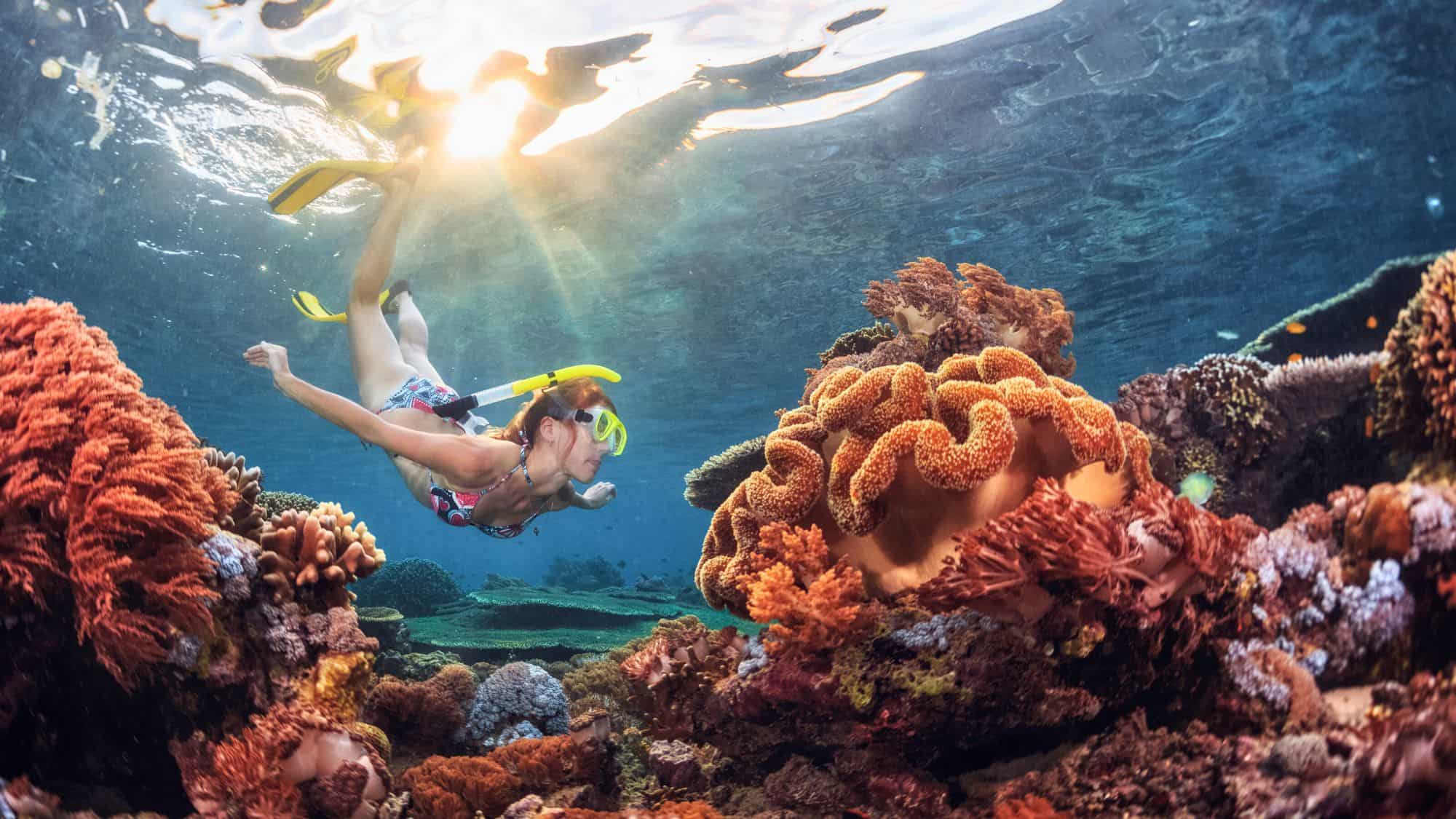
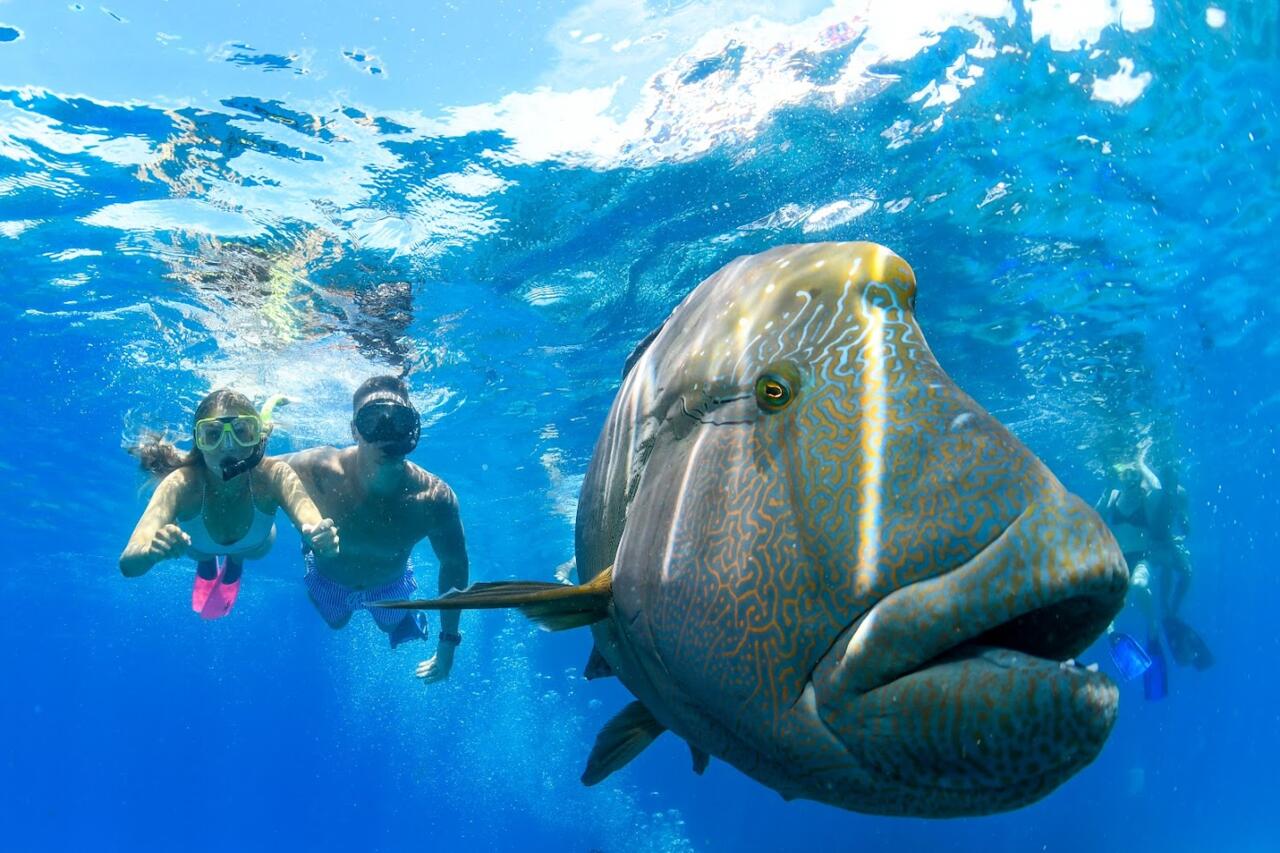
Coral composition shifts noticeably between inner and outer zones. Staghorn and table corals dominate the shallows, but outer reef walls support gorgonian fans, black coral trees, and soft coral gardens that require the nutrient flux only open-ocean currents provide. Green and hawksbill turtles patrol the reef crest at dawn. Reef sharks—blacktip and whitetip species—rest in sand channels during midday. Manta rays circle cleaning stations between November and April. Nautilus shells, living fossils unchanged for 500 million years, inhabit the deep slope beyond recreational diving limits.
The Great Barrier Reef Marine Park stretches 2,300 kilometres, but the outer ribbon reefs between Cairns and Cooktown represent less than 2% of that expanse. Their isolation preserved coral cover above 60% even as inshore reefs declined. Scientists from James Cook University conduct annual surveys here, measuring coral recruitment and fish biomass as baseline data for climate modeling. The reefs function as a living archive, recording ocean chemistry changes in calcium carbonate skeletons that grow four millimetres per year.

Water visibility averages 25 to 40 metres, where ribbon reefs rise vertically from the Coral Sea floor.
Wear swimwear, a hat, and light clothing for the boat journey. Stinger suits are provided by operators to protect against marine stingers and sun exposure.
Keep belongings minimal due to limited dry storage on vessels. Secure your valuables in a waterproof pouch if taking them onto the reef.
Underwater cameras are encouraged for snorkeling cairns outer reef expeditions. Ensure your equipment is secured with a wrist strap to prevent loss in deep water.
Children must be supervised by a parent or guardian at all times while in the water. Life jackets and floatation devices are available for younger guests participating in a snorkeling cairns outer reef tour.
Some vessels offer hydraulic lift access for water entry, though mobility requirements should be specified when purchasing snorkeling cairns outer reef tickets.
Most operators include lunch and filtered water on board. Bringing your own refillable water bottle is recommended to reduce plastic waste.
Opening Hours
00:00–23:59
Address
Great Barrier Reef Marine Park, off Cairns, Queensland, Australia
Accessibility
Varies by vessel; enquire upon booking
Best arrival window
07:00–08:30
Storage
Minimal space available on reef vessels
Region
Outer Great Barrier Reef
Car · 1 day · Fee applies
Parking is available at the Cairns Reef Fleet Terminal multi-story complex
Walk · Varies · Free
The terminal is centrally located within walking distance of most downtown Cairns hotels
Full refunds are typically provided if cancellation occurs 24 to 48 hours prior to departure, depending on the operator. Please note that the Reef Tax is mandatory and must be paid per person.
Recommended time
Full day (8-9 hours)
A full-day snorkeling cairns outer reef trip typically runs 07:00 to around 17:00, since boats need 90 minutes or more of transit to reach outer reef sites past the inner reef edge. That block covers Reef Fleet Terminal check-in, the crossing out, and two to three separate reef locations with roughly 45-60 minutes of water time each. Half-day options exist but cut transit slack thin, so most operators favor the full-day format for outer reef pontoons and drift sites. Expect minimal queuing on board since group sizes are managed by boat capacity, though the terminal check-in desk gets busiest right at 07:00.
Crowd levels through the day
Weather · crowds · average price — dots go green to amber to red as each metric rises.
September to November offers calm waters and lower rainfall. This is ideal for snorkeling cairns outer reef excursions as temperatures average 25°C.
December to February is warmer, though occasionally humid. Be prepared for tropical showers during this season.
March to May provides clear visibility as seasonal winds subside. These months are often preferred for underwater photography.
June to August features pleasant, cooler air temperatures. Water visibility remains high, making it a popular time for snorkeling cairns outer reef.
Apply reef-safe sunscreen at least 20 minutes before entering the water. Reapply frequently to avoid burns from the strong tropical sun.
Observe sea turtles and coral formations from a distance. Do not attempt to feed any wildlife encountered.
1 Spence St, Cairns City QLD 4870
Primary hub for snorkeling cairns outer reef tours
Get directionsThe outer Great Barrier Reef remained inaccessible to recreational visitors until the late 1970s, when advances in marine engine reliability and vessel design made day trips feasible from Cairns. Before then, snorkeling cairns outer reef sites belonged exclusively to scientific expeditions and professional pearl divers. In 1975, the Australian government established the Great Barrier Reef Marine Park Authority, creating the legal framework that would govern commercial tourism. The first permitted outer-reef charter, operated by Quicksilver Connections founder Tony Smith, departed from Port Douglas in 1979 with a single catamaran carrying eighteen passengers to Agincourt Reef. The industry expanded rapidly through the 1980s as operators secured permits for permanent pontoon moorings at Hastings, Norman, Saxon, and Milln Reefs. These floating platforms eliminated the need for constant anchoring, which had caused early damage to coral formations. The 1988 introduction of mandatory reef tax funding—initially five dollars per visitor—enabled the Marine Park Authority to station rangers on high-traffic sites and enforce zoning rules that separated snorkeling cairns outer reef tours from fishing and research zones. By 1992, Cairns had overtaken Port Douglas as the primary departure point, with fourteen operators running daily services. The sector faced its first major crisis in 1998 when mass coral bleaching struck the northern reef systems. Operators voluntarily relocated several snorkeling cairns outer reef tickets and tour routes to southern sectors while damaged areas recovered, a precedent that became formalized policy after the 2016 bleaching event. Today's outer reef tourism operates under strict permit conditions limiting vessel numbers, requiring advanced sewage systems, and mandating real-time coral health reporting. The reef tax, now seventy dollars, funds the largest marine conservation program in the Southern Hemisphere.
Great Barrier Reef Marine Park Authority established, regulating all commercial reef access
First permitted outer-reef charter departs Port Douglas with eighteen passengers to Agincourt Reef
Operators install permanent pontoon moorings at Hastings, Norman, Saxon, and Milln Reefs to prevent anchor damage
Mandatory reef tax introduced at five dollars per visitor, funding ranger stations and zoning enforcement
Cairns becomes primary departure point with fourteen daily outer-reef operators
Mass coral bleaching prompts voluntary relocation of tour routes to allow northern sector recovery
Second major bleaching event leads to formalized adaptive management protocols for tourism operators
Advanced permit conditions require real-time coral health monitoring and seventy-dollar conservation levy
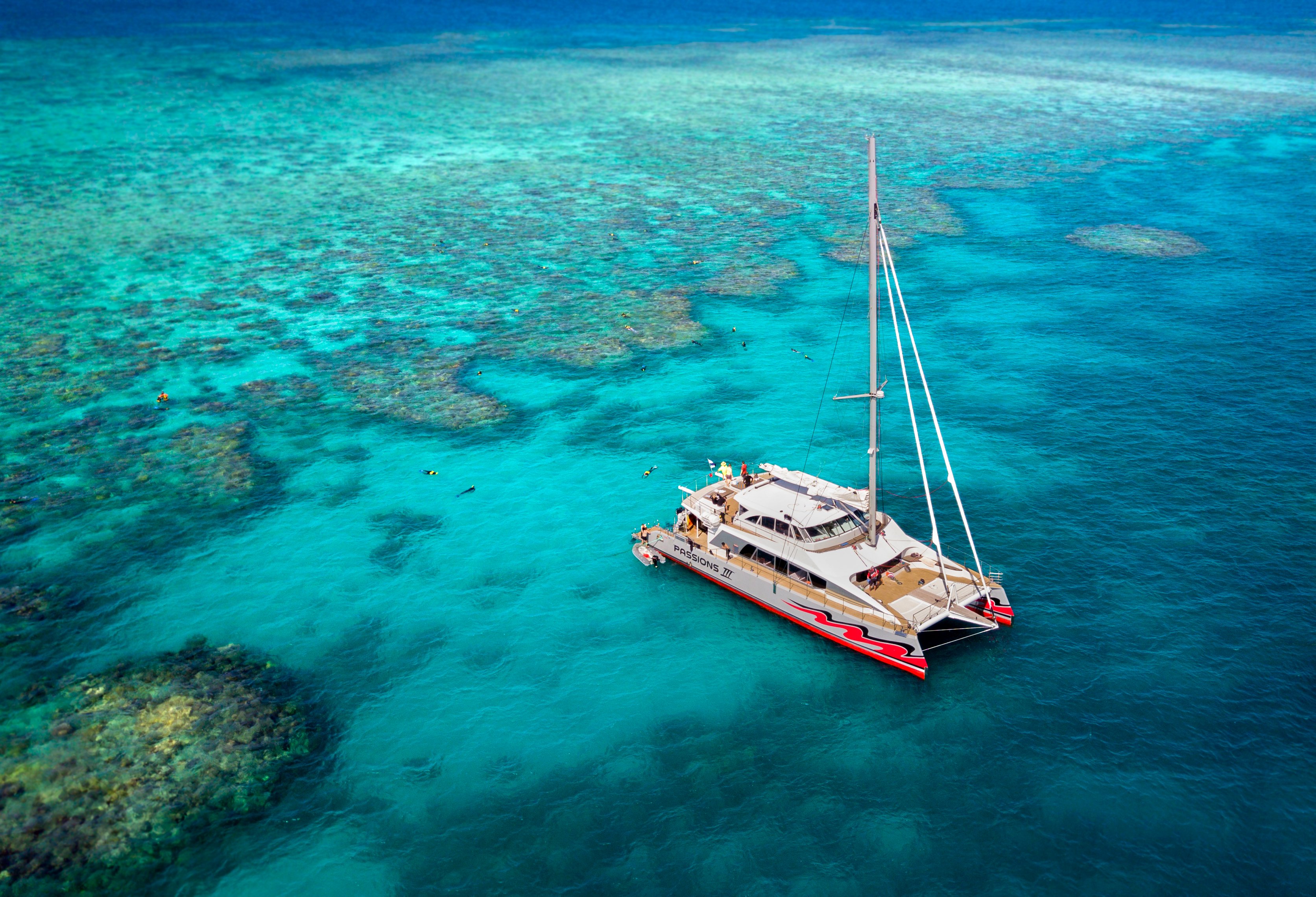
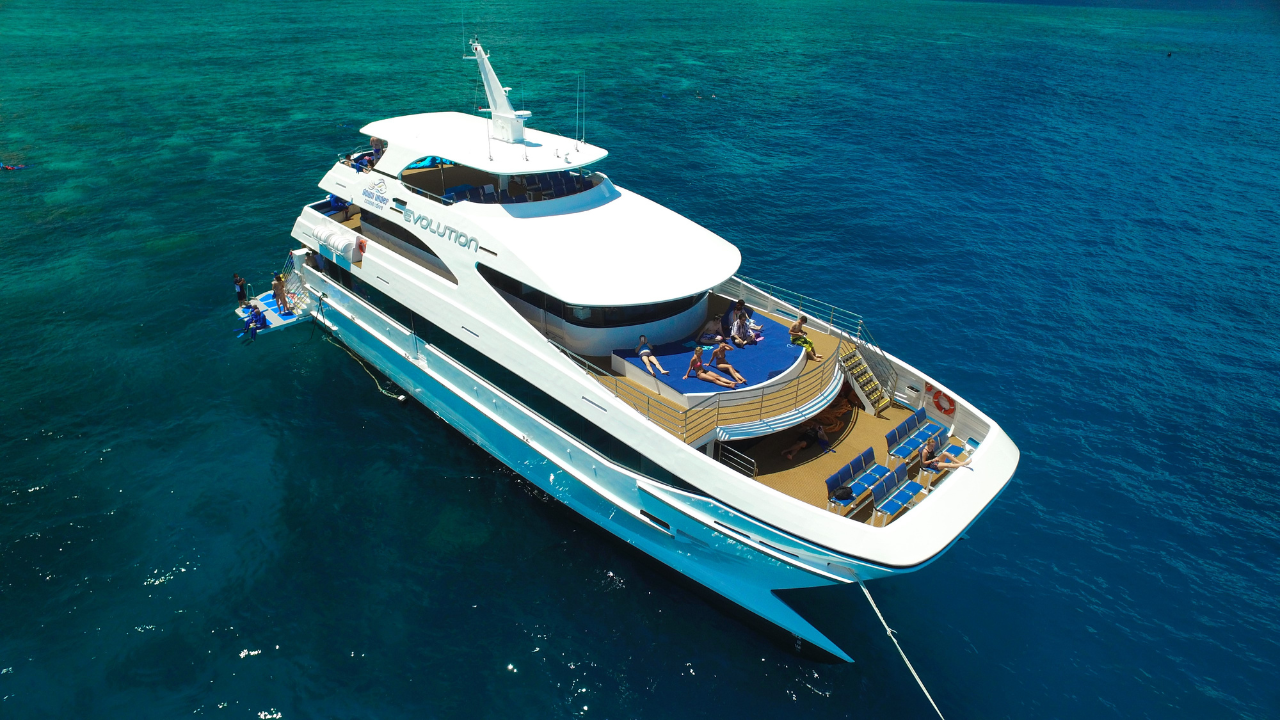
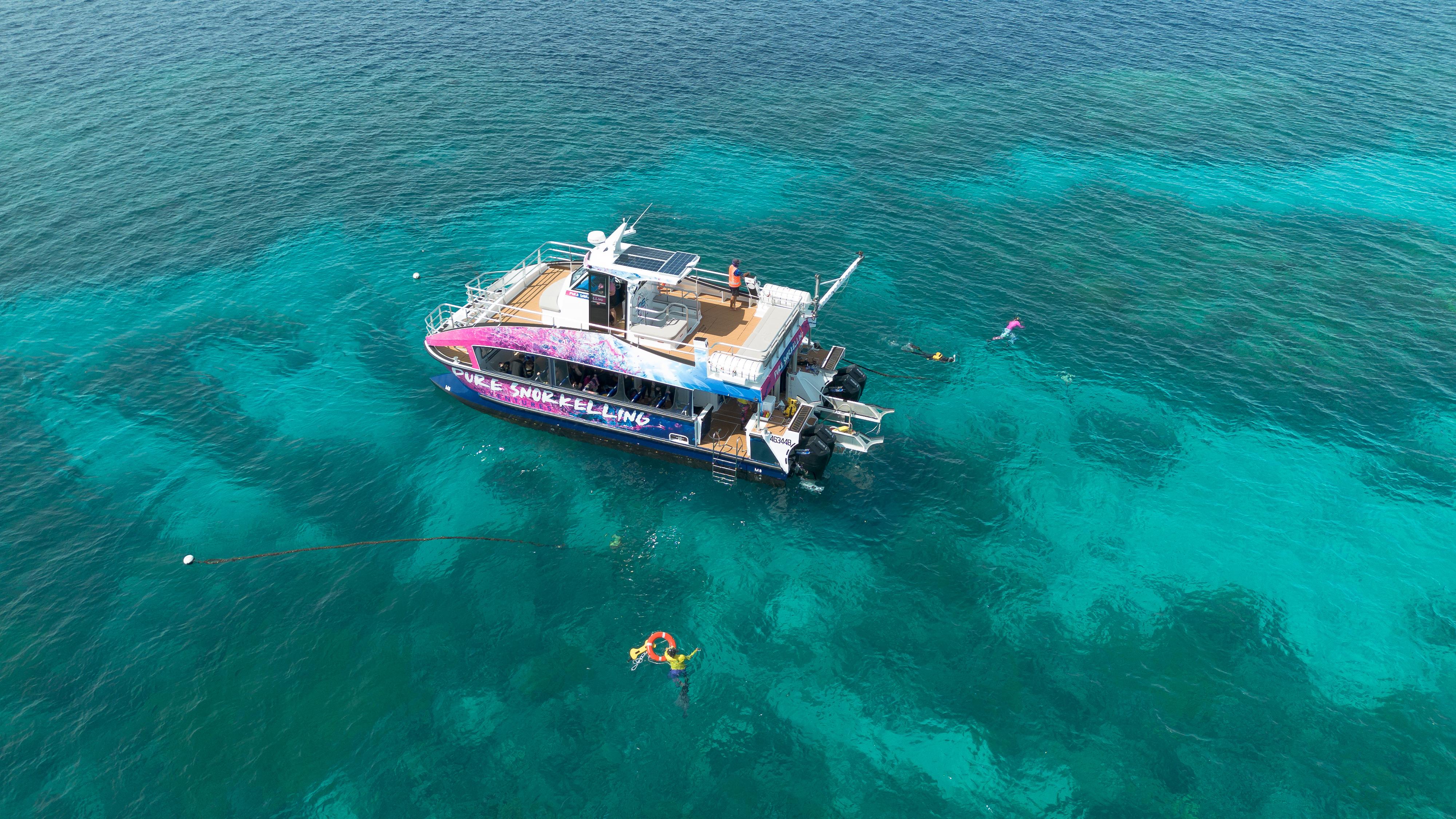
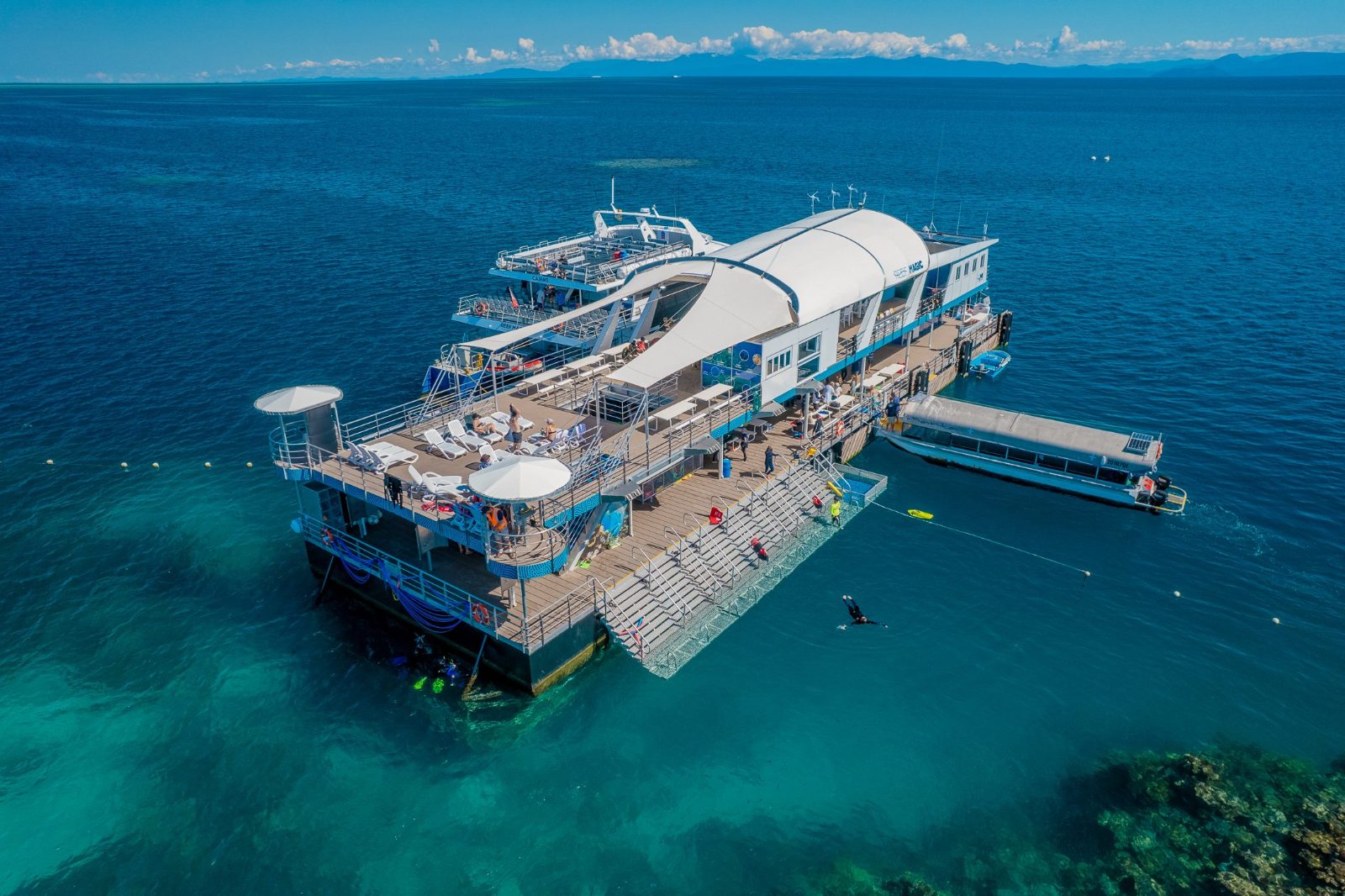
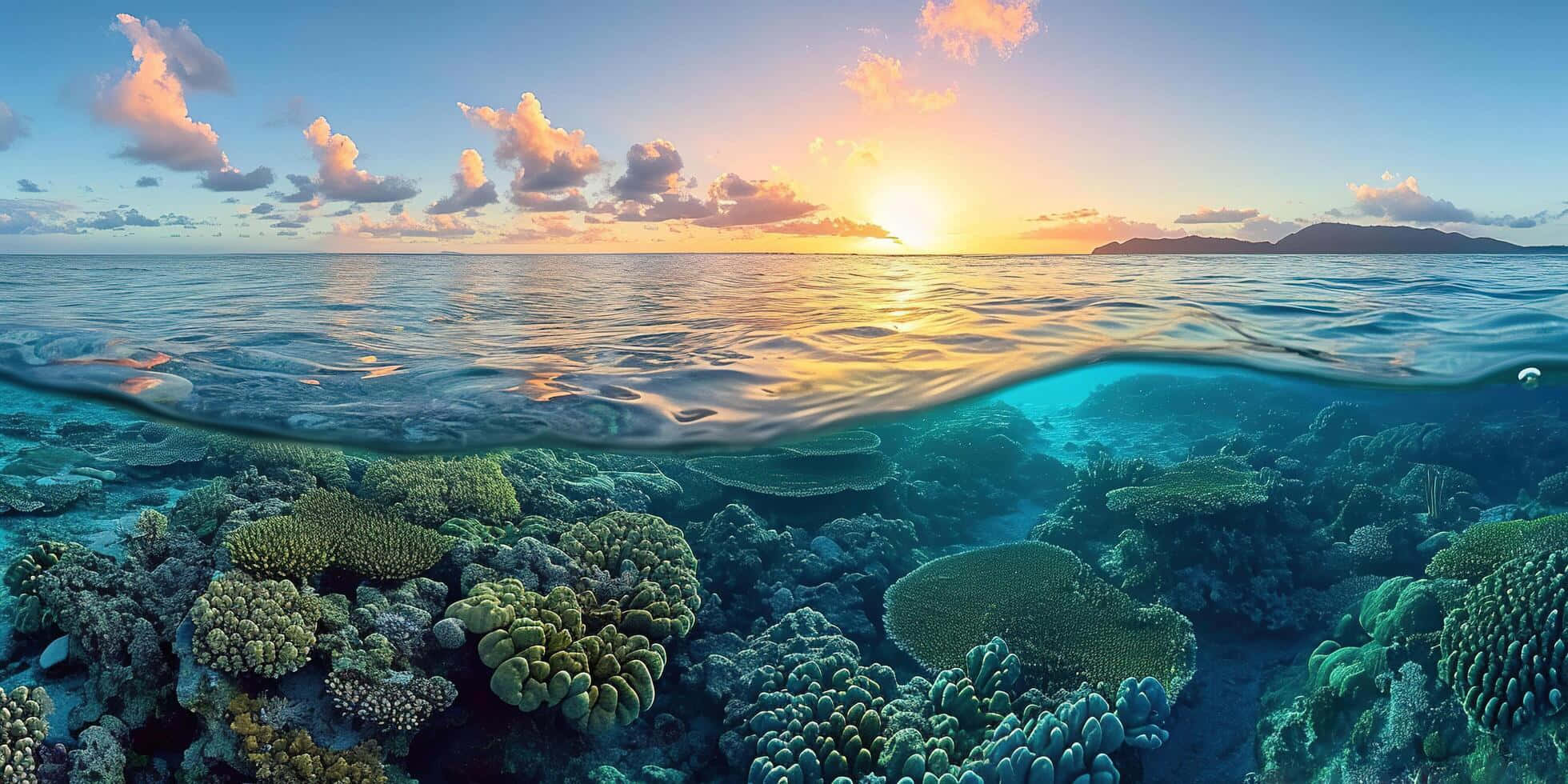
Capture wide-angle shots of the turquoise water from the upper level of the vessel. This vantage point provides a clear view of the surrounding marine park before you enter the water for snorkeling cairns outer reef.
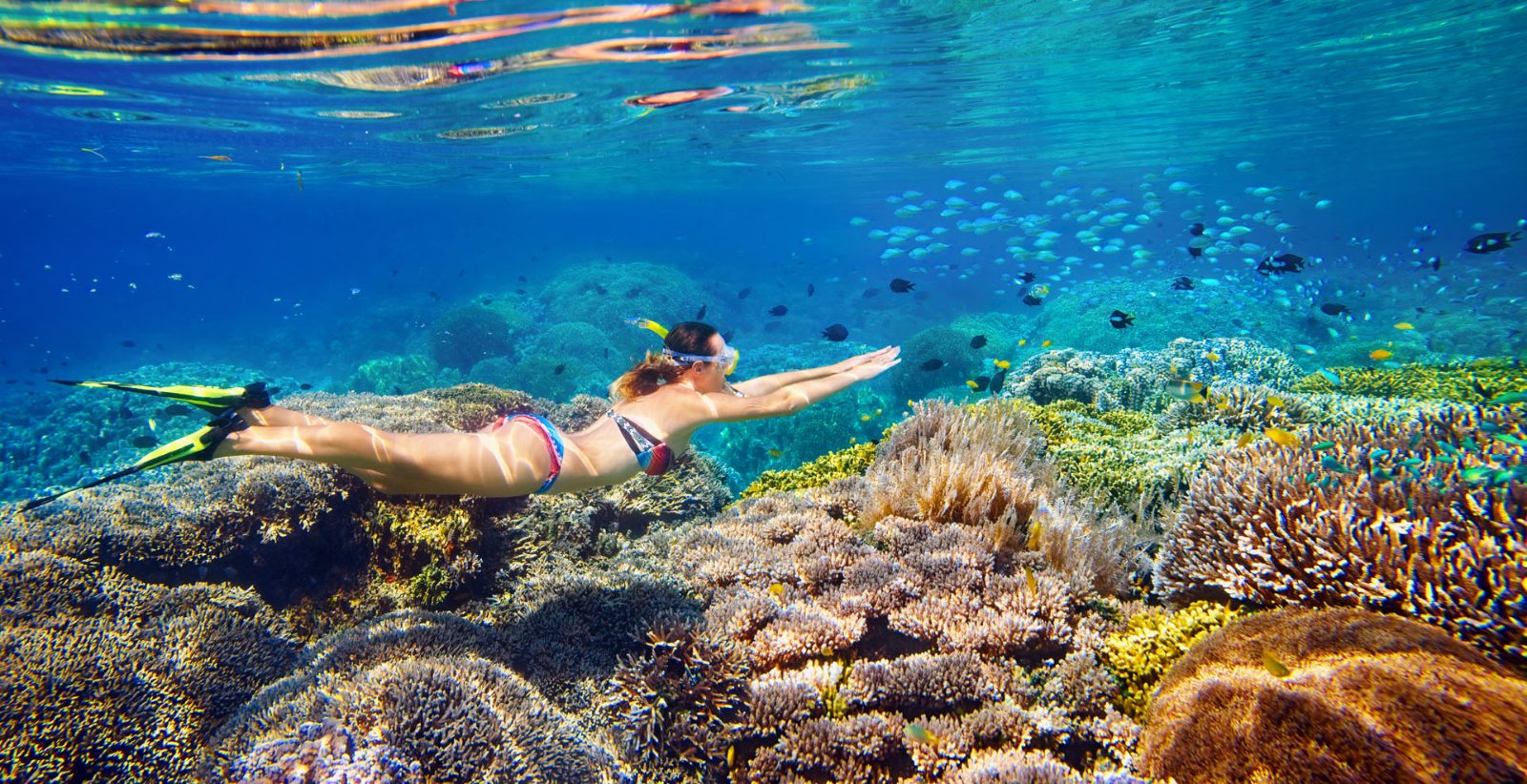
Focus your camera on the vibrant branching corals found in the shallow sections of the outer reef sites. Use a filter to enhance the blue hues of the water during these snorkeling cairns outer reef tours.
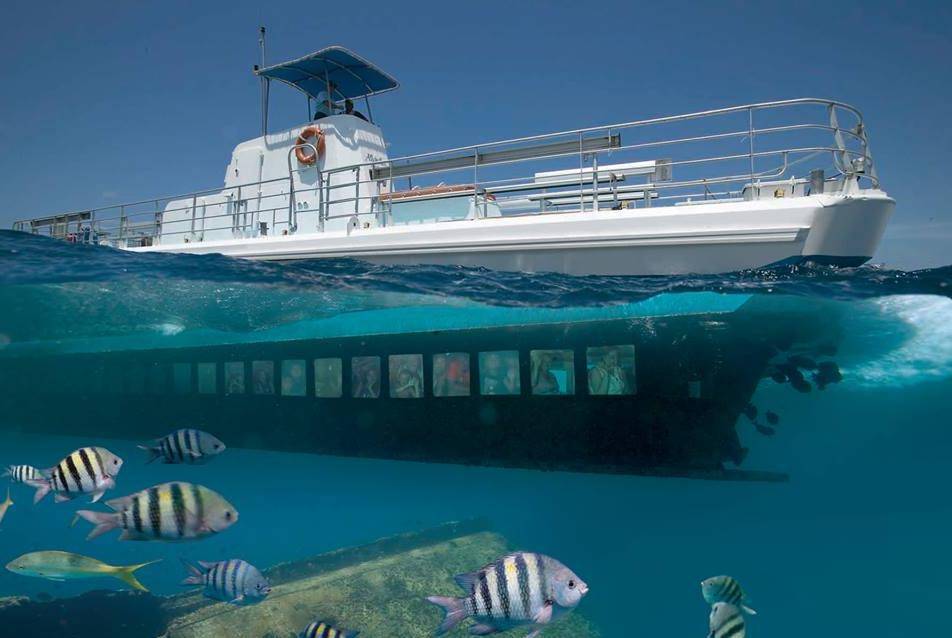
Photograph schools of tropical fish and reef structures through the thick glass panels of the vessel. This is a practical way to document your snorkeling cairns outer reef tour without getting your camera equipment wet.
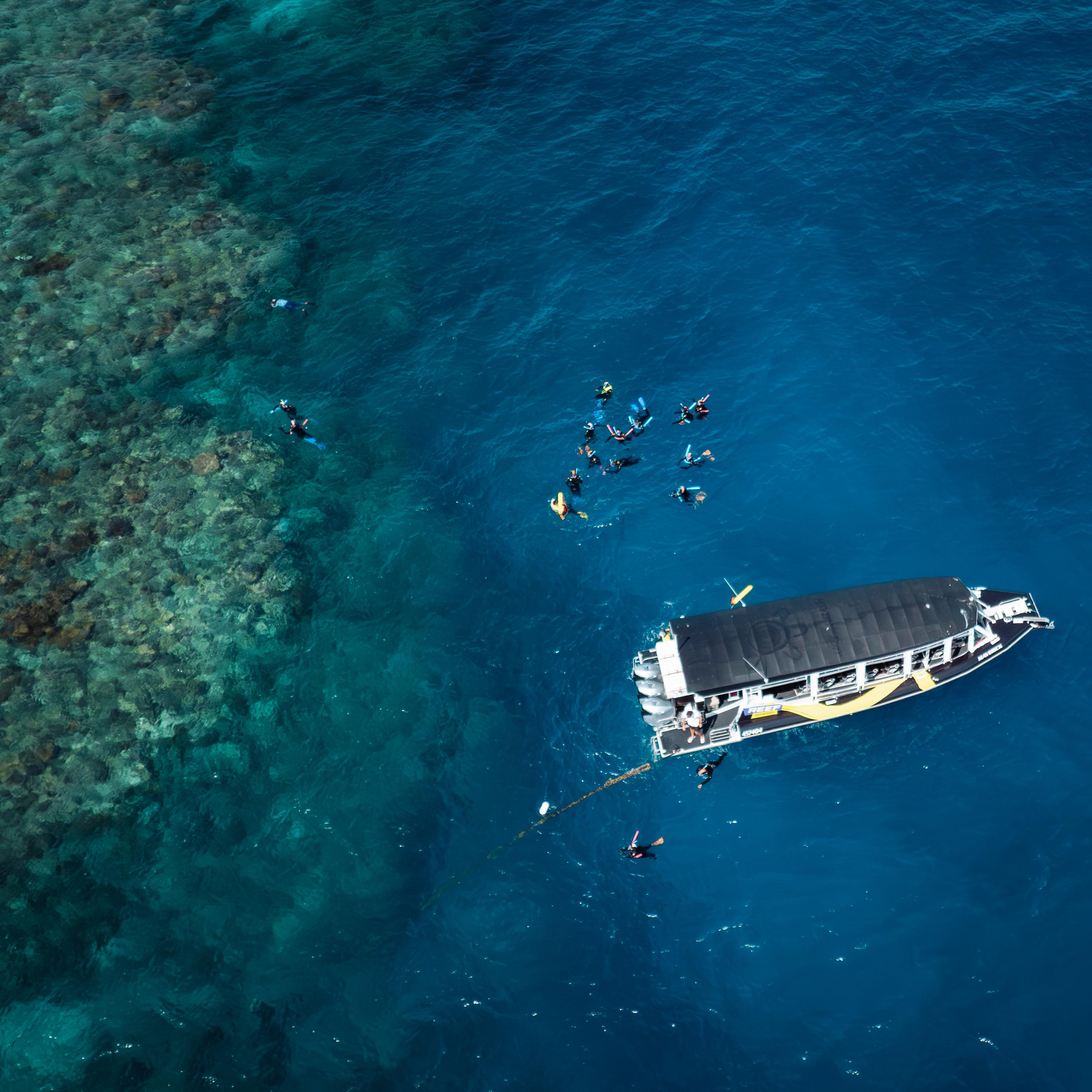
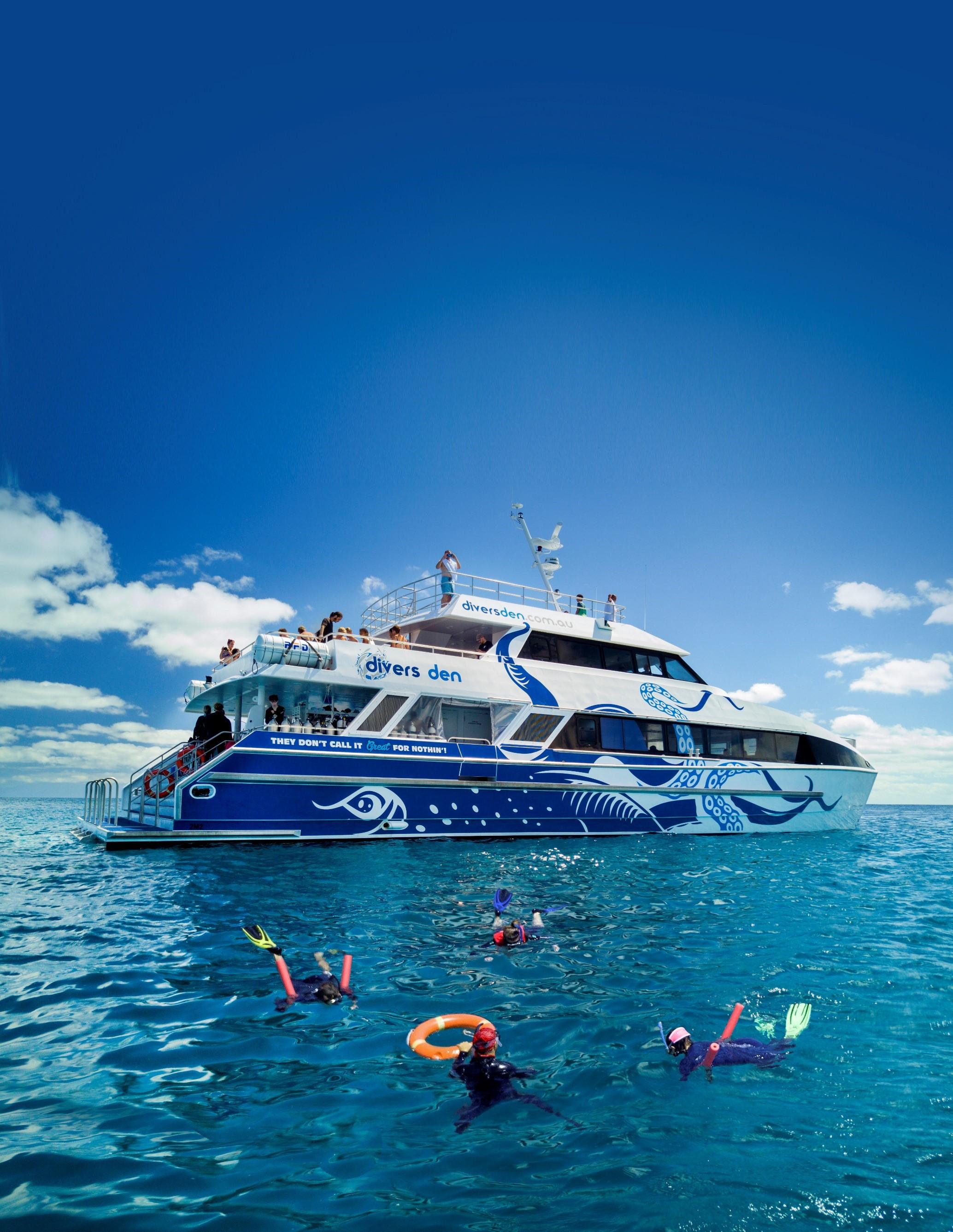
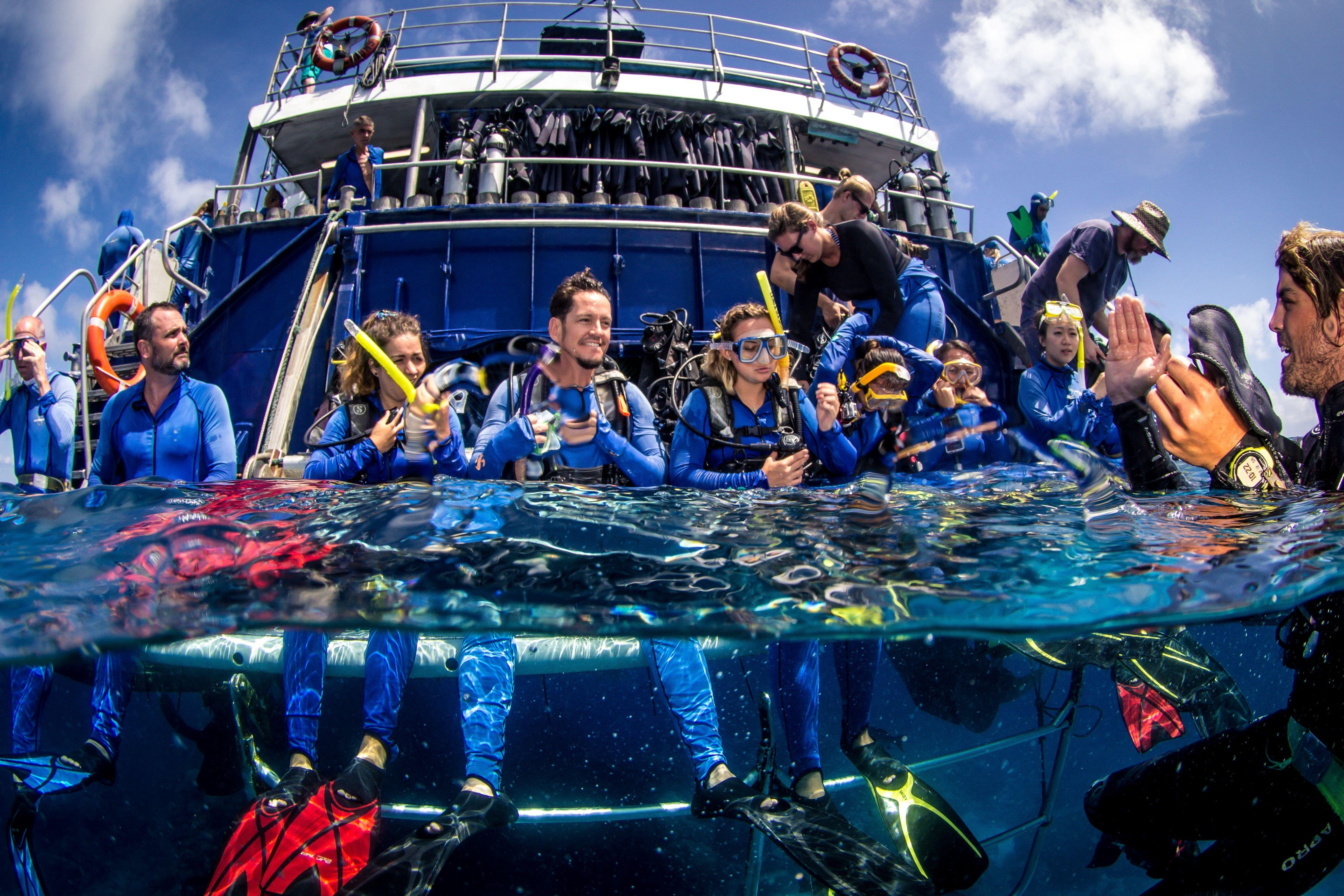
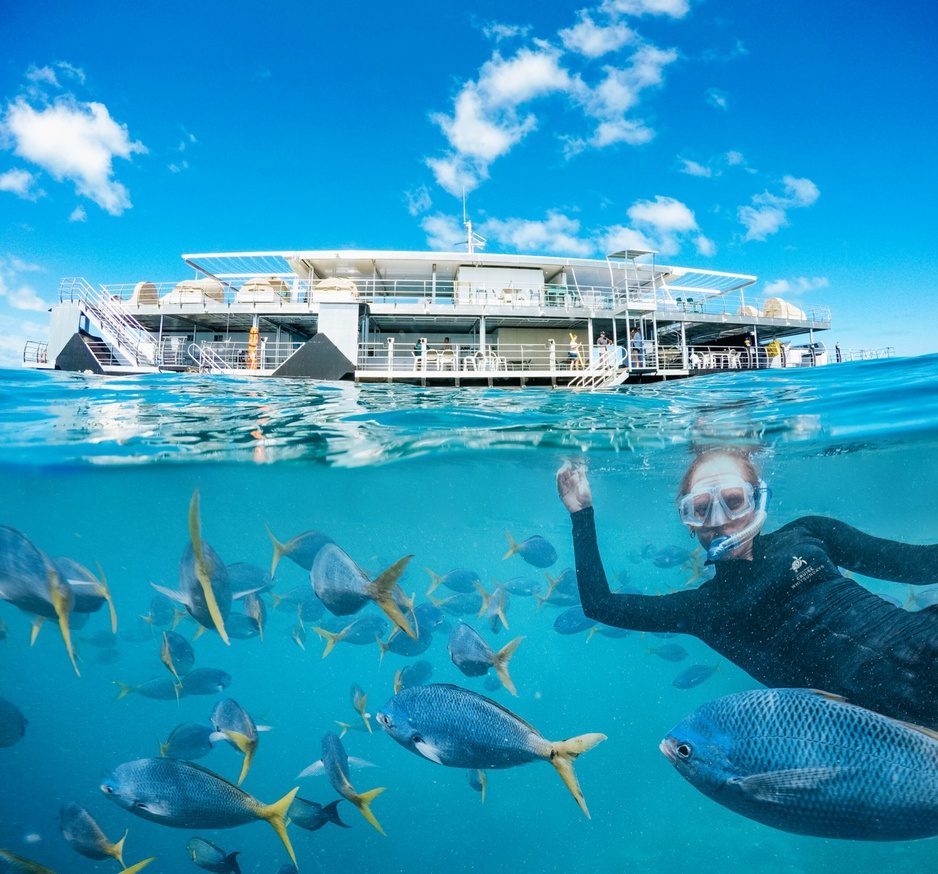
Frame a shot of visitors preparing to enter the sea from the rear stairs of the boat. These snorkeling cairns outer reef tickets grant you access to a platform where marine life often congregates near the ladder.
Planning a day of snorkeling cairns outer reef with your family requires careful preparation for the long transit across the Coral Sea. Focusing on vessel stability and comfort ensures a smoother experience when visiting this Great Barrier Reef marine park.
Choose larger, stable vessels for your snorkeling cairns outer reef tours to minimize motion sickness during the 1.5 to 2-hour transit. Pack ginger tablets or wristbands, and keep children on the deck in the fresh air rather than the cabin if they feel queasy.
Full-day trips are standard, so prioritize rest periods between water sessions to prevent exhaustion. Look for snorkeling cairns outer reef tickets that include semi-submersible tours, providing a dry way to view marine life when little legs grow tired.
Most operators provide high-quality flotation noodles, life jackets, and lycra suits suitable for all ages. Confirm your provider has smaller mask sizes available before booking your snorkeling cairns outer reef tour to ensure a proper seal for children.
The best arrival window is 07:00–08:30 at the Cairns Reef Fleet Terminal to secure optimal seating on the boat. Arriving early allows families to settle in and select their gear without rushing before the boat departs for the outer reef site.
Most snorkeling cairns outer reef tours include meals as part of the fare, so you won't be hunting for restaurants once you're on the water, but the Cairns Reef Fleet Terminal has a few genuine spots for a coffee or bite before boarding.
Relaxed spot on the Cairns Esplanade for a proper breakfast before an early check-in, popular with crews and locals, best if you have time before the 07:00–08:30 arrival window; sit-down service so skip it if you're running late.
Quick counter for flat whites, toasties and pastries right inside the Reef Fleet Terminal, busiest in the 30 minutes before boats board, good for grabbing something fast to eat on the way to your gate.
All-day breakfast and juices near the Cairns Esplanade, a calmer alternative to the terminal cafés if you arrive with time to spare, popular with visitors staying nearby.
Full-day trips typically serve a hot and cold buffet lunch with tropical fruit, while half-day trips offer lighter snacks like sandwiches and fruit; timing and spread vary by operator and vessel, not by a fixed venue.
Everything you need to know for your journey
The Great Barrier Reef is open 00:00–23:59 daily.
It is best to arrive between 07:00–08:30 at the Cairns Reef Fleet Terminal to ensure departure.
The entrance fee is 0 AUD, though a mandatory Reef Tax is charged by tour operators.
Yes, you can bring your own gear, though most snorkeling cairns outer reef tours provide high-quality masks and fins.
Cancellations are managed by the operator, typically offering refunds if requested within their specified window.
Most operators accommodate children, but verify specific age rules for your snorkeling cairns outer reef tour when booking.
Yes, provided you follow all safety guidelines given by the crew during your snorkeling cairns outer reef experience.
The main meeting point is the Cairns Reef Fleet Terminal, located at 1 Spence St, Cairns.
Yes, wearing a stinger suit is recommended for protection during your snorkeling cairns outer reef adventure.
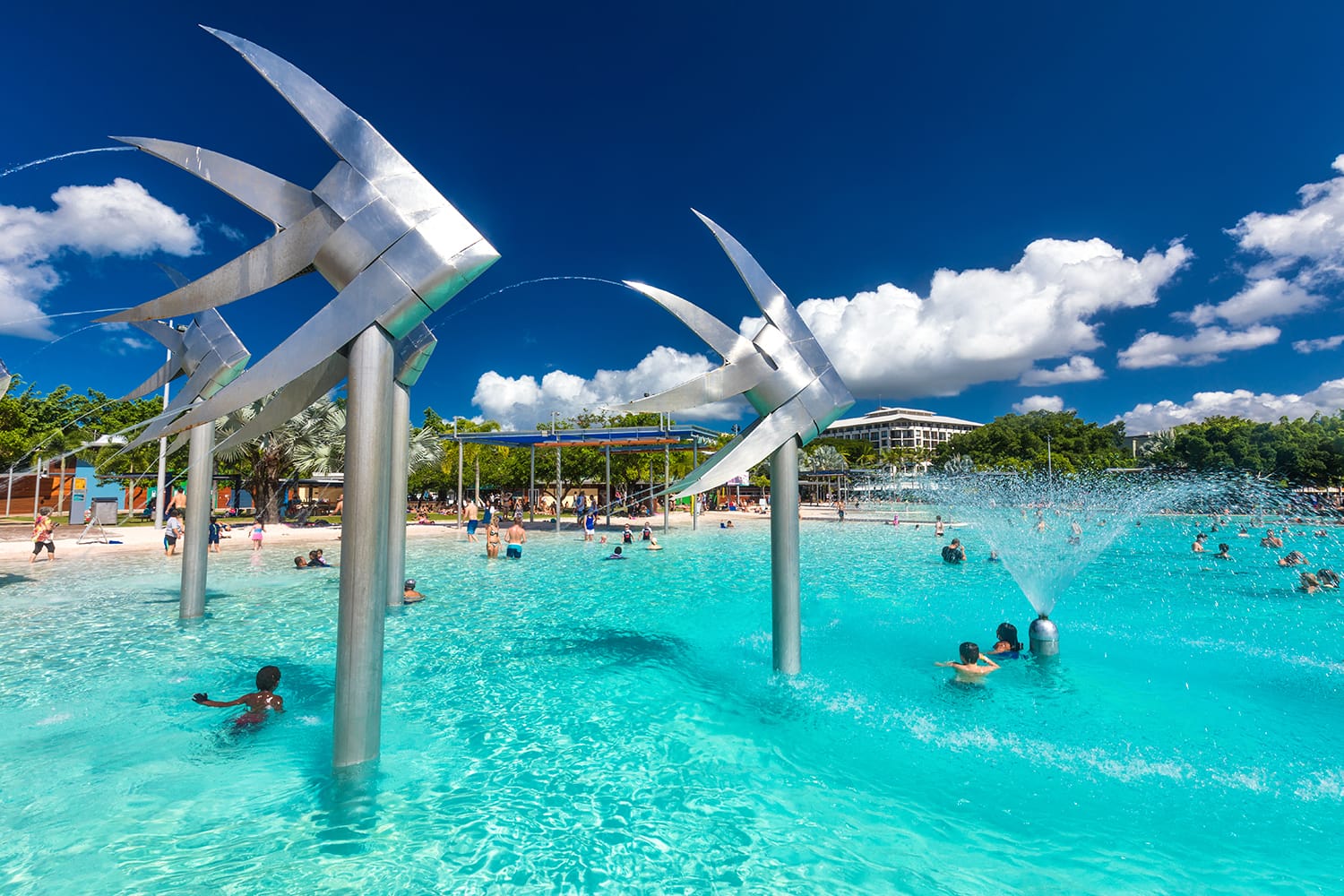
Public swimming pool with sandy edges and showers.
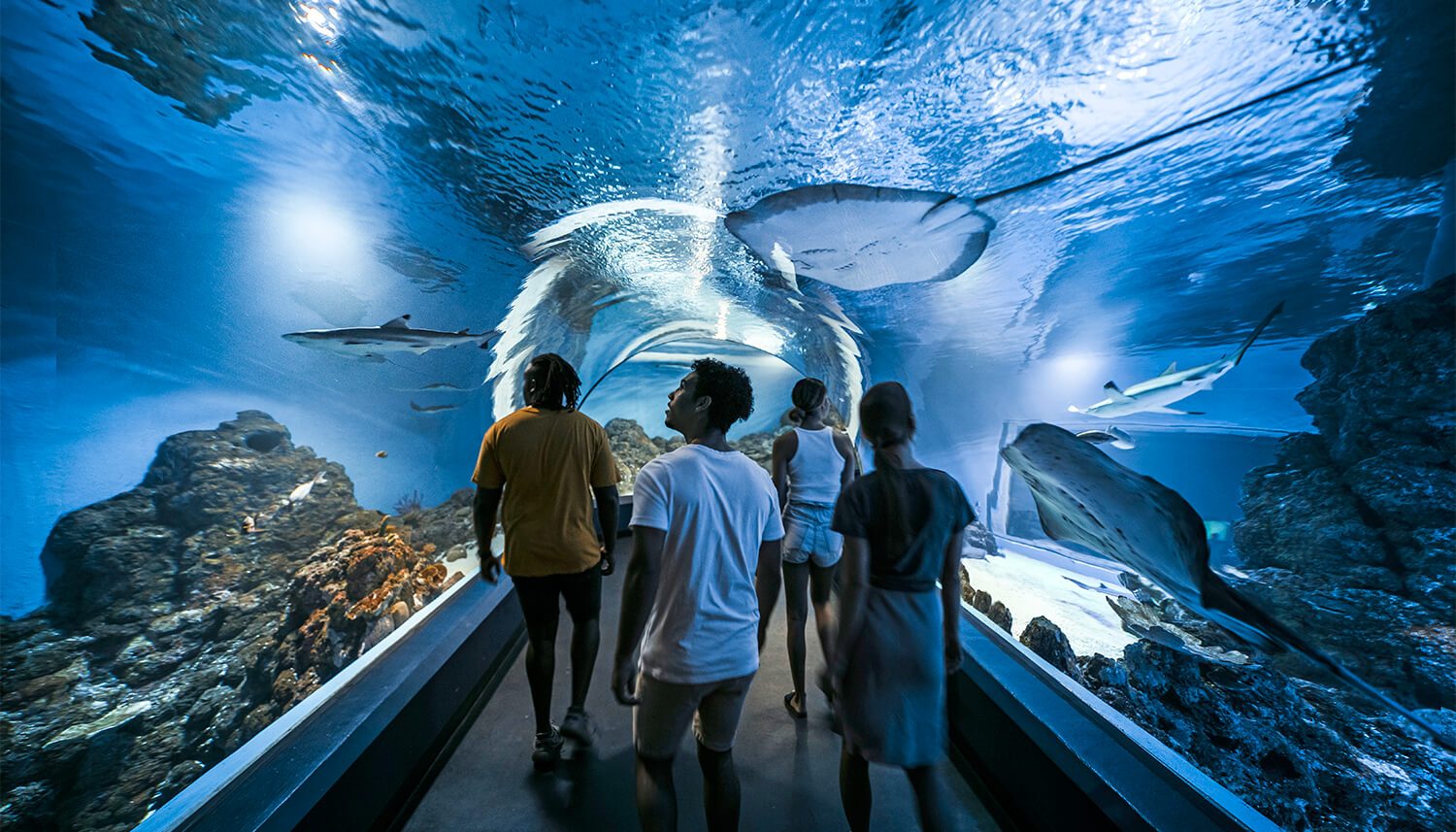
Features local marine life including sharks and rays.
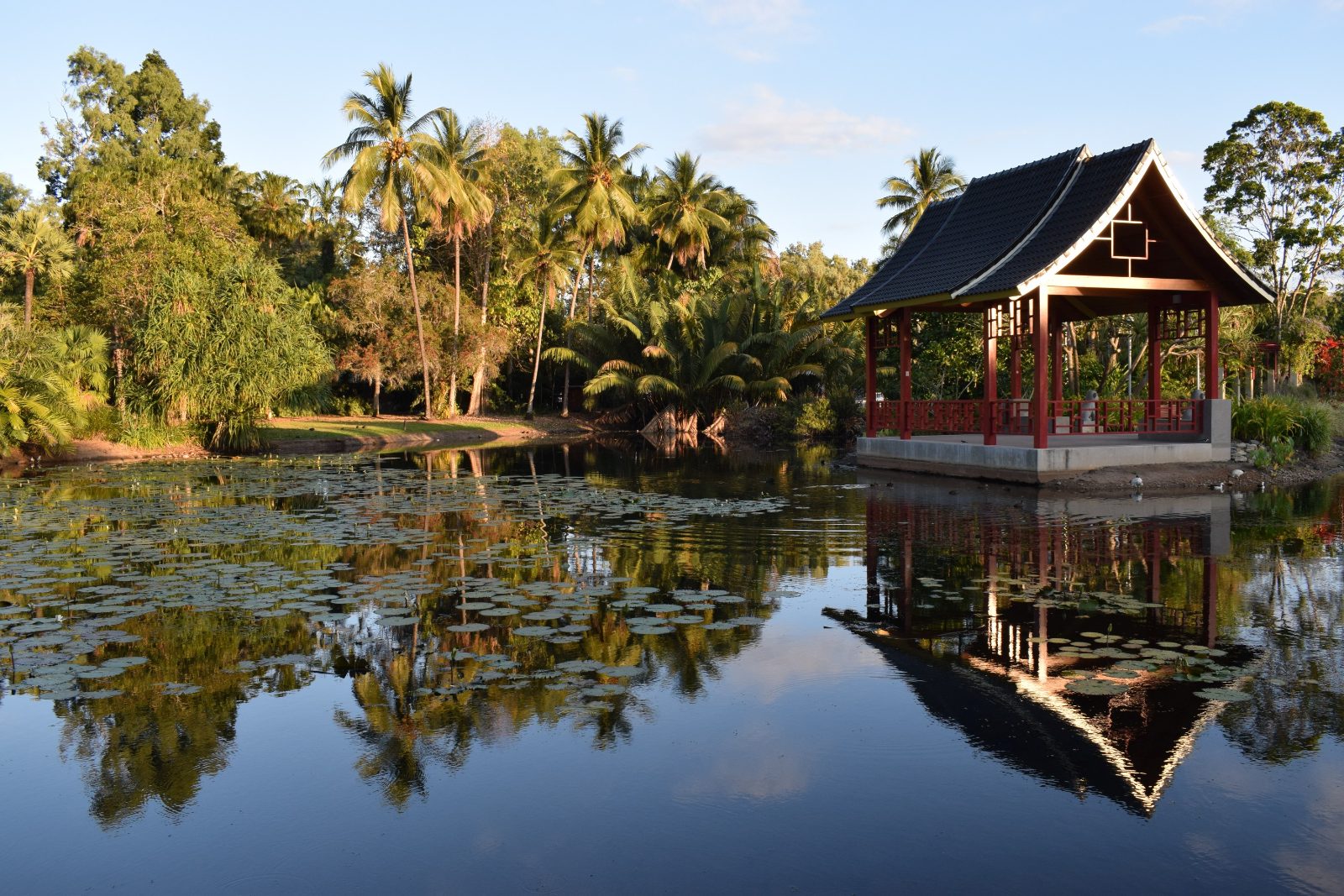
Showcases tropical plants and diverse rainforest ecosystems.
Local market selling tropical fruit and artisan goods.
Join thousands of happy travelers who have discovered this incredible experience
Book Your Experience Now